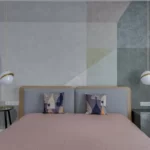
A fresh coat of paint can change the way your home looks and feels. Whether your walls have become dull, your rooms need a modern colour scheme, or everyday wear has left visible marks, repainting can help give your interiors a cleaner and more welcoming appearance.
However, achieving a good result involves more than choosing a paint colour and applying it to the walls. Surface preparation, paint selection, finishing techniques and proper planning all play an important role in the outcome.
For homeowners in Melbourne, understanding these factors can make it easier to plan a painting project, compare quotations and choose the right professional for the job.
In this guide, we explain what you should know before booking interior house painting services, from preparing your home and selecting paint colours to understanding costs and choosing professional interior painters.
Why Should You Consider Professional Interior House Painting Services?
Interior painting is one way to refresh your living space without undertaking a major renovation. It can help improve the appearance of walls, ceilings, doors and other painted surfaces throughout your home.
Here are some reasons homeowners consider professional interior painting.
Refresh Tired and Outdated Interiors
Over time, walls can accumulate scuff marks, stains and scratches. Older colours may also stop matching your furniture, flooring or preferred interior style.
Repainting can create a more consistent appearance throughout your home. You might choose warm neutral colours for a relaxed atmosphere, lighter shades to brighten a room, or a feature wall to introduce contrast.
The right colour scheme depends on your room’s natural light, existing furnishings and personal preferences.
Protect and Maintain Painted Surfaces
Painted surfaces experience everyday wear from furniture, cleaning, regular use and accidental marks. When paint begins to deteriorate, appropriate preparation and repainting can help restore the appearance of the surface.
However, painting should not be used to hide underlying problems. Water damage, persistent dampness and structural cracks should be investigated and addressed before a new coating is applied.
Improve the Overall Appearance of Your Property
A consistent colour scheme can make different rooms feel more connected. Freshly painted walls, ceilings, doors and trims can also complement updated furniture and other interior improvements.
For homeowners preparing a property for sale or rent, a well-presented interior may help create a positive first impression, although painting alone cannot guarantee a higher selling price or rental return.
What Should You Check Before Starting an Interior Painting Project?
Before contacting a painter, consider the condition of your home and the areas you want to update. Having a clear idea of your requirements can make the planning process easier.
1. Identify the Areas That Need Painting
Decide whether you want to repaint a single bedroom, refresh your living room or update the entire interior.
Common areas included in an interior painting project are:
- Living rooms and dining areas
- Bedrooms and children’s rooms
- Kitchens and suitable bathroom surfaces
- Hallways and staircases
- Ceilings and cornices
- Doors, door frames and skirting boards
Making a list of the required areas helps you explain the project clearly and obtain more accurate quotations.
2. Check the Condition of Your Walls
Look for peeling paint, small holes, cracks, stains and uneven patches. These issues may require additional preparation before painting begins.
If you notice mould or recurring water stains, identify and address the source of moisture first. Painting over an unresolved problem can lead to further deterioration.
3. Decide on Your Budget and Priorities
Your budget may determine whether you repaint the entire home at once or complete the project in stages.
For example, you could begin with high-traffic areas such as hallways and living rooms before moving on to bedrooms. Discussing your priorities with a painter can help establish a practical scope of work.
How Do You Choose the Right Paint Colours for Your Home?
Colour selection can be challenging because a shade that looks attractive on a sample card may appear different when applied to a full wall.
Consider these factors before making your decision.
Natural and Artificial Lighting
Rooms with limited natural light may benefit from colours that reflect more light, while bright rooms can accommodate a wider range of shades.
Artificial lighting also influences how colours appear in the evening. Test sample colours in the actual room and observe them at different times of the day.
Furniture and Interior Design
Your wall colours should work with existing flooring, curtains, furniture and decorative elements. If you are keeping most of your furnishings, choose shades that complement them rather than selecting colours in isolation.
Neutral shades such as warm white, beige and soft grey can provide flexibility, while deeper colours can add character when used thoughtfully.
Choosing the Right Paint Finish
Different paint finishes suit different surfaces and uses.
- Matte or flat finishes: Can create a soft appearance and help reduce the visibility of minor surface imperfections.
- Low-sheen finishes: Offer a subtle appearance and may be suitable for many living areas.
- Washable finishes: Can be useful in busy rooms where walls need regular cleaning.
- Semi-gloss finishes: Are commonly considered for doors, trims and other surfaces that benefit from a harder-wearing finish.
The most suitable option depends on the specific product, the surface condition and the amount of cleaning or wear expected.
Why Is Surface Preparation Important Before Painting?
Surface preparation is one of the most important stages of an interior painting project. Even good-quality paint may not deliver the expected finish if the surface underneath is dirty, damaged or unsuitable.
Preparation requirements vary depending on the existing paint and the condition of the walls. Typical tasks may include:
- Cleaning dirt, dust and grease from suitable surfaces.
- Removing loose or flaking paint.
- Filling small holes and minor surface imperfections.
- Sanding repaired areas to create a smooth finish.
- Applying primer where necessary.
- Covering floors, furniture and nearby fixtures.
These steps help create a suitable surface for the new coating and support a more even finish. If your home was built before 1970, take particular care before sanding or scraping old paint, as it may contain lead. Appropriate assessment and safe handling are important before disturbing older coatings.
What Happens During Professional Interior Painting?
Understanding the painting process helps you know what to expect when you hire a professional.
Step 1: Assessment and Quotation
The painter reviews the areas to be painted, the condition of the surfaces and any preparation or repair requirements.
The quotation should clearly explain the work included, the expected timeframe, paint products where specified, and any exclusions.
Step 2: Protecting Your Home
Furniture may be moved or covered, while floors, fixtures and other nearby surfaces are protected. Proper preparation of the work area helps reduce accidental paint marks and makes cleanup easier.
Step 3: Preparing the Surfaces
The painter completes the necessary cleaning, filling, sanding and priming. The extent of this work depends on the existing condition of each surface.
Step 4: Applying the Paint
Paint is applied using suitable brushes, rollers or other tools. The painter follows the product instructions for application and drying between coats.
The number of coats required depends on factors such as the original colour, the selected paint, surface condition and desired finish.
Step 5: Inspection and Cleanup
Once the work has progressed sufficiently, the painted surfaces are checked for missed areas, inconsistent coverage and visible imperfections. Protective coverings are removed, and the work area is cleaned.
A final walkthrough gives you an opportunity to discuss any concerns with the painter.
How Much Do Interior House Painting Services Cost in Melbourne?

The cost of interior house painting services varies according to the size of the project and the amount of work required. An accurate estimate generally requires details about the property and the surfaces being painted.
Several factors influence the price.
Size of the area: Painting several rooms generally requires more labour and materials than painting one bedroom.
Wall condition: Damaged walls may need extra filling, sanding, repairs or priming.
Paint and finish selection: Different products have different prices and coverage characteristics.
Additional surfaces: Including ceilings, doors, frames and skirting boards increases the project scope.
Colour changes: Covering a dark colour with a lighter shade may require additional preparation or coats.
Furniture and access: Occupied homes, complex layouts and difficult-to-access areas can affect the time needed to complete the work.
When comparing quotations, check whether labour, paint, preparation, repairs and cleanup are included. A detailed written estimate makes it easier to understand what you are paying for and compare different painters fairly.
How Can You Choose Reliable Interior Painters in Melbourne?

Finding a suitable painter involves more than comparing prices. You should understand how the work will be completed and what is included in the agreement.
Before making a decision, consider the following:
- Relevant experience: Ask about previous interior painting projects and experience with similar surfaces.
- Clear communication: Choose a painter who explains the process, expected timeline and preparation requirements.
- Detailed quotations: Confirm which rooms and surfaces are included and whether repairs are covered.
- Suitable products: Ask which paint products and finishes are recommended for your home.
- Protection and cleanup: Discuss how furniture, floors and fixtures will be protected.
- Credentials and insurance: Confirm relevant qualifications, licensing where applicable and insurance coverage.
- Workmanship terms: Ask whether a workmanship warranty is offered and what its conditions are.
These checks can help you make a more informed decision and avoid misunderstandings during the project.
Why Choose Fine Touch Painting for Your Interior Painting Project?
If you are planning to refresh your home, Fine Touch Painting can help you explore your interior painting requirements.
Based in Mill Park, Victoria, Fine Touch Painting provides painting services for homeowners looking to update their interiors. Whether you are refreshing a few rooms or planning a more extensive repaint, discussing your project with a professional can help clarify the work involved.
Before starting, consider your preferred colours, the condition of your walls and the surfaces you want painted. This information can help establish a suitable scope and make the quotation process more straightforward.
You can also contact The team to discuss your project and request a free, no-obligation estimate.
Planning an interior repaint involves several decisions, from choosing colours and finishes to preparing walls and setting a realistic budget. Taking time to understand these factors can help you avoid common problems and achieve a finish that suits your home.
Professional interior house painting services can make the process more manageable by coordinating preparation, paint application and cleanup. The key is to choose a suitable painter, agree on a clear scope of work and address any underlying surface problems before painting begins.
If you are ready to refresh your Melbourne home, contact Fine Touch Painting to discuss your requirements and take the next step towards a cleaner, more inviting interior.
Frequently Asked Questions
1. How often should I repaint the interior of my home?
There is no single repainting schedule for every home. The timing depends on the paint quality, surface preparation, room usage and general wear. High-traffic areas may need repainting sooner than rooms that receive less use.
2. How long does interior house painting take?
The timeframe depends on the number of rooms, surface condition, repair requirements, drying times and number of coats. A painter can provide a more realistic estimate after assessing the property and understanding the project scope.
3. Can I stay at home while interior painting is being completed?
In many cases, yes. However, access to individual rooms may be restricted during preparation and painting. Discuss ventilation, paint odours, drying times and the work schedule with your painter before the project begins.
4. Do I need to move my furniture before painting?
Small items and movable furniture should ideally be removed from the work area where possible. Larger items can often be moved or covered, depending on the room layout and the painter’s arrangements. Confirm these details before work begins.
5. What is the best paint for interior walls?
The best paint depends on the surface, room usage, desired finish and cleaning requirements. A suitable product should be selected for the specific conditions rather than choosing paint based on colour or price alone.
6. How can I get a quote for interior painting in Melbourne?
Contact Fine Touch Painting with details about your property, the rooms you want painted and any visible surface damage. You can discuss your requirements and request a free, no-obligation estimate.